
When your iPad 10th generation won't connect to your AirPods, keyboard, or car, it can feel like you're stuck. Bluetooth issues on iPadOS are usually software hiccups that you can resolve yourself. I'd start with the quick fixes at the top of this list, as they solve the majority of connection problems.
Toggle Bluetooth and Restart
First, pull down from the top-right corner to open Control Center. Tap the Bluetooth icon to turn it off, wait about ten seconds, and then tap it again to turn it back on. This simple refresh can clear up a temporary glitch.
If that doesn't work, restart both your iPad and the Bluetooth device. For your iPad, press and hold the top button and either volume button, then slide to power off. Turn the accessory off as well, wait a moment, and then power everything back on to try pairing again.
Forget and Re-Pair the Device
Go to Settings > Bluetooth on your iPad. Find the problematic device in your list and tap the info (i) icon next to it. Tap Forget This Device and confirm. This removes its pairing history completely.
Now, put the accessory back into its pairing mode. You should see it appear in the "Other Devices" list on your iPad's Bluetooth screen. Tap its name to initiate a fresh connection. This often resolves pairing conflicts that built up over time.
Check for iPadOS Updates
An outdated version of iPadOS can cause compatibility problems with newer Bluetooth devices. Apple frequently releases updates that include fixes for wireless connectivity. To check, open Settings > General > Software Update.
If an update is available, I'd recommend installing it while your iPad is connected to power and Wi-Fi. Also, check if the accessory itself has a companion app that might need a firmware update, which is common for headphones, speakers, and game controllers.
Reset Your Network Settings
This is a more thorough step that resets all network-related configurations, including Wi-Fi passwords, VPN settings, and Bluetooth pairings. It won't delete your personal data like photos or apps. Go to Settings > General > Transfer or Reset iPad.
Tap Reset and then select Reset Network Settings. You'll need to enter your passcode to confirm. After the iPad restarts, you'll have to reconnect to Wi-Fi and re-pair all your Bluetooth devices from scratch.
Force Restart Your iPad
A force restart is different from a normal shutdown and can clear deeper system errors that affect hardware like the Bluetooth radio. For the iPad 10th generation, quickly press and release the Volume Up button, then quickly press and release the Volume Down button.
Immediately after, press and hold the Top button. Keep holding it until you see the Apple logo appear on the screen, then release. This process doesn't erase any data. Once it boots up, try your Bluetooth connection again.
Check for Interference and Distance
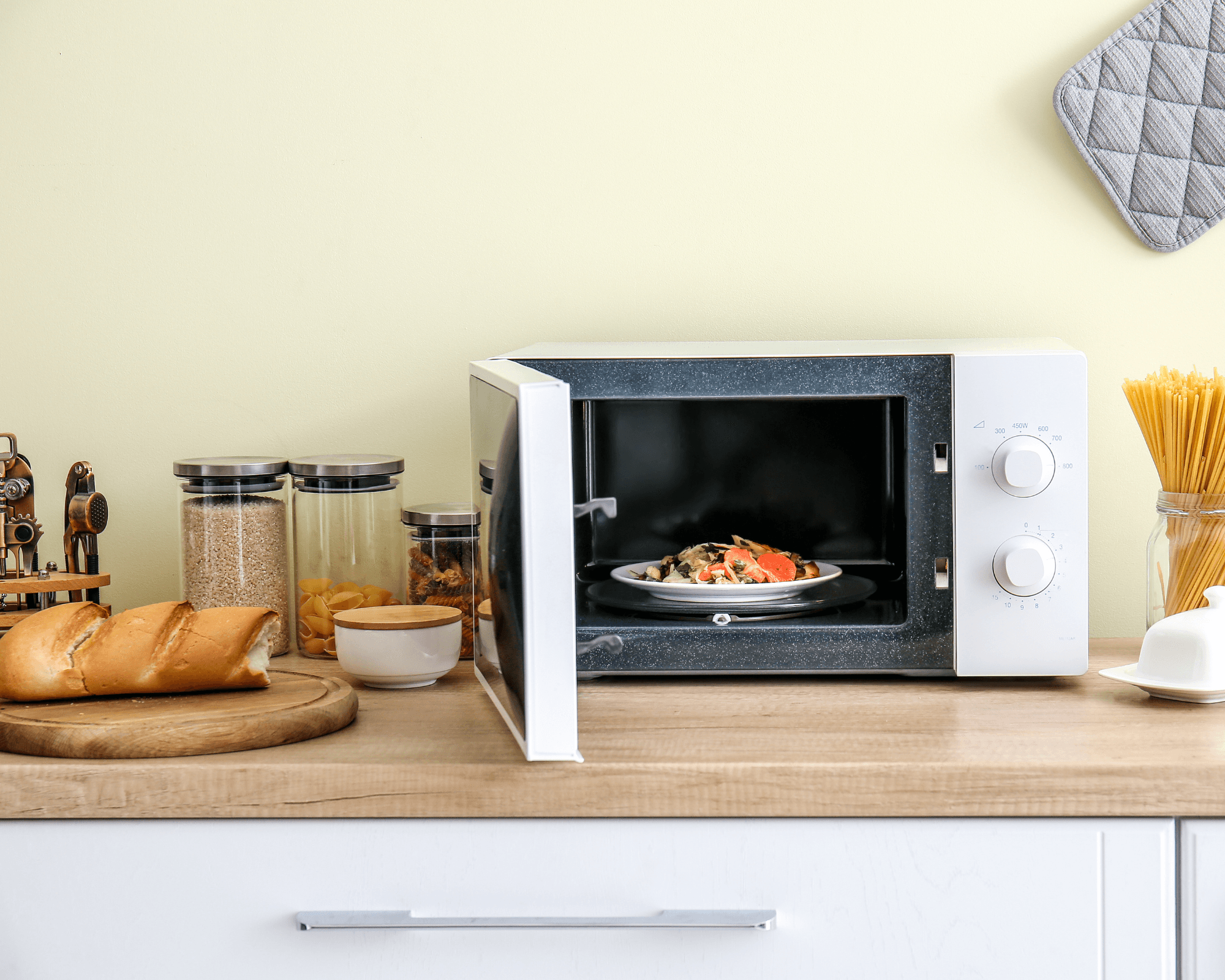
Bluetooth uses the 2.4 GHz radio band, which is crowded. Other devices like your Wi-Fi router, microwave, or even USB 3.0 cables can cause interference. Try moving your iPad and the accessory to a different room, away from other electronics.
Also, keep the devices within about 30 feet of each other without major obstructions. Walls and furniture can weaken the signal. If you're trying to connect an Apple Pencil (1st gen), remember it requires the USB-C to Apple Pencil adapter to pair and charge with this model.
Disable Bluetooth Handoff and Continuity Features
Features like Handoff and Continuity allow your Apple devices to work together, but they can sometimes interfere with basic Bluetooth connections. To test this, go to Settings > General > AirPlay & Handoff.
Toggle Handoff off temporarily. Also, check Settings > Bluetooth and see if any other nearby Apple devices, like a Mac or iPhone, are trying to take over the connection. Signing out of iCloud on all devices and back in is a last resort for this issue.
Review App Permissions and Background Activity
A recently installed app might be interfering with Bluetooth. Think about any new apps you added around the time the problem started. You can try uninstalling them one by one to see if the connection improves.
Also, some apps need explicit permission to use Bluetooth. You can manage this in Settings > Privacy & Security > Bluetooth. If an app you don't recognize or trust has access, you can toggle its permission off.
Check for Physical and Software Conflicts
If you're using a case, especially a thick or metal one, try removing it to see if it's blocking the Bluetooth antenna. The antenna is typically located along the edges of the iPad. Also, disconnect any other accessories plugged into the USB-C port, as hubs or dongles can sometimes cause conflicts.
For a very clean test, you can restart your iPad in Safe Mode, though the process is less straightforward than on iPhone. It generally involves a forced restart with specific timing. If Bluetooth works perfectly in this state, it strongly points to a software or third-party app conflict.
Reset All Settings or Restore via Computer
If you've tried everything else, resetting all settings can be effective. This returns all system settings (wallpaper, privacy, network, etc.) to default without erasing your content. Go to Settings > General > Transfer or Reset iPad > Reset > Reset All Settings.
The most comprehensive step is to restore your iPad using a Mac or PC. This installs a fresh copy of iPadOS. First, make a complete backup via iCloud or your computer. Then, put the iPad in recovery mode, connect it to the computer, and use Finder (on Mac) or iTunes (on PC) to restore it. Set it up as new to test Bluetooth before restoring your backup.